History of Art Quiz: Questions & Answers
History of art quiz with questions and answers, covering major periods, artists, and works—perfect for quick revision.
This eight-question revision quiz has two rounds. In Materials you reconstruct how a plate, block, page, or glaze works. In Objects in circulation you trace where objects were made, who encountered them, and how they traveled. Its questions move across media and regions. Answer in a phrase, then check the fuller explanation. If two possible answers seem equally plausible, use the guide to reading an artwork to list what a viewer could establish directly and what would require information about the maker, place, or period.
Round one — Materials
- A printmaker cuts a design into the surface of a copper plate, forces ink into those lines, and wipes the top clean. Which family of printing processes does this describe? Name the family rather than guessing which cutting tool the artist used.
- A carved wooden block is inked on its raised surfaces. What happens to the orientation of an asymmetrical image when paper receives that ink? Imagine printing a handwritten letter from an uncorrected block.
- A manuscript contains painted decorations and passages that catch the light from thin sheets of precious metal. Which term describes this kind of decorated book? Which material commonly supplies the reflective gold surface?
- A ceramic plate bears a blue design beneath a clear glaze. Which colorant is traditionally associated with the blue of Chinese blue-and-white porcelain? Pick from cobalt, iron rust, and charcoal.
Round two — Objects in circulation
- The Benin court plaques once adorned a royal palace. In which present-day country was that court located, Nigeria or the Republic of Benin? Names on modern maps make this question more difficult than it first appears.
- Which city contains the Byzantine church built under Justinian and known as Hagia Sophia? Give either its historic name in Justinian's time or its modern name, and note what kind of space the great dome encloses.
- A British customer in the eighteenth century buys chintz. The textile has dyed flowers, and undyed areas retain their pale ground. Which is the stronger material clue to its Indian cotton-printing tradition, its floral subject or the use of mordants and resists to control where different colors take? Explain the second term.
- Place three events in sequence, earliest first. Hokusai's publisher issues the wave print in the Thirty-six Views of Mount Fuji series. Japan's Meiji period begins. Artists in the Kansai region organize the Gutai Art Association. Which interval is longer, the first gap or the second?
Answer key for the materials round
- Intaglio. The recessed marks hold the ink, while the plate's wiped surface remains relatively clean. Tate’s intaglio entry distinguishes engraving and etching as different ways of creating such recesses. Knowing that ink came from below the surface identifies the family, although the description alone leaves the method of making the lines open.
- The image reverses left to right. Look at the raised printing surfaces in Tate’s woodcut explanation. Designers and cutters have to account for that reversal when words must print legibly. Successive colored blocks also need careful alignment. A visible shift between colors in one impression can tell you something about printing even when the original drawing has disappeared.
- An illuminated manuscript, commonly decorated with gold leaf. Illumination also covers painted decoration in books that use little or no gold. A digital photograph taken head on can preserve the pattern of a gold surface while losing the changing reflection a reader sees as a page turns.
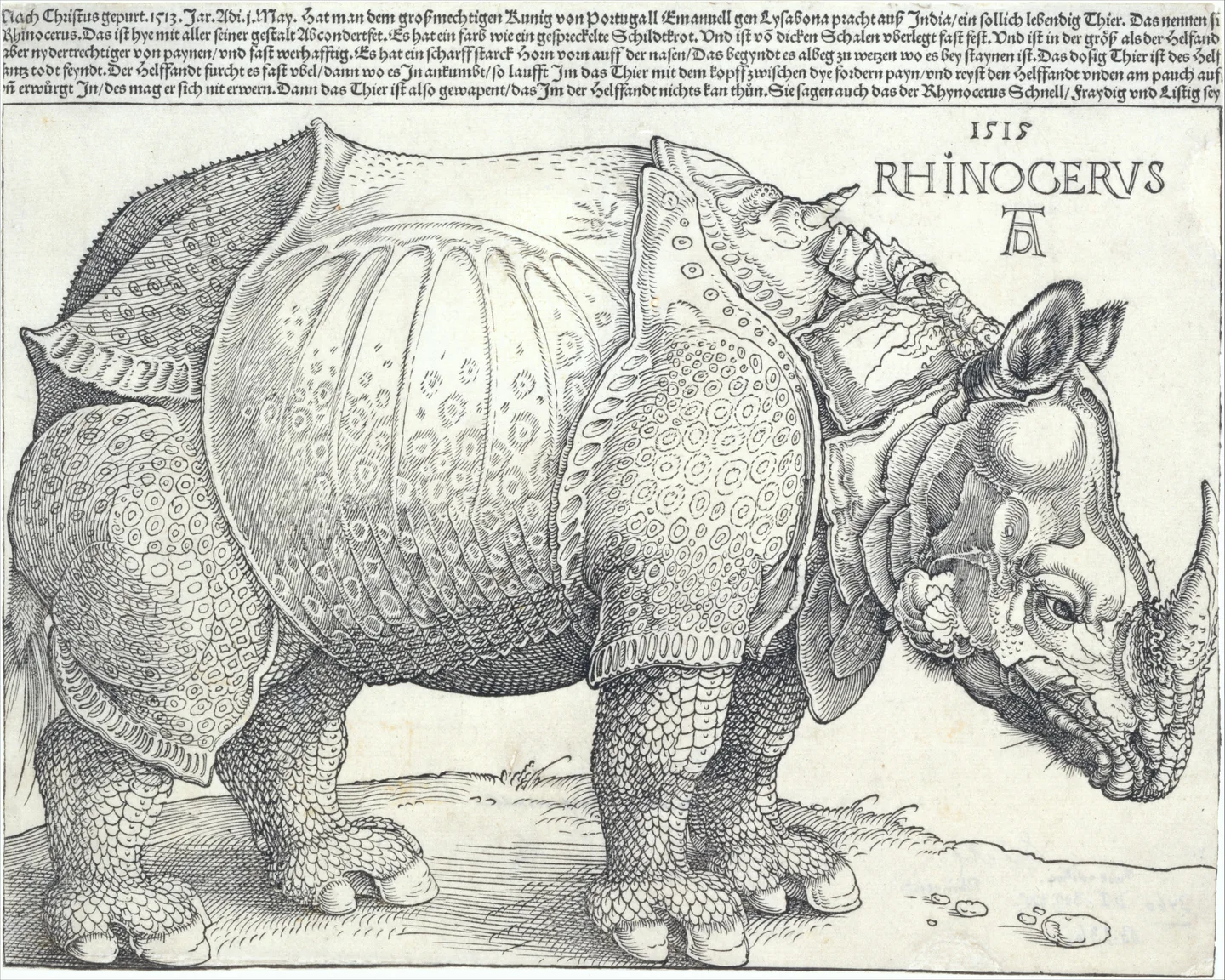
- Cobalt. Cobalt pigments produce characteristic blue decoration during firing. Look at the relation between the brush marks and the shining surface above them. This distinction matters when comparing decoration painted beneath the glaze with colors added in a different firing stage. Move from identifying the material to identifying a picture in the visual art history questions. A correct guess about tempera tells you little about who arranged the space.
Answer key for the objects round
- Nigeria. Benin City was the center of the kingdom, whose historic court commissioned plaques and other works in copper alloy. The British Museum’s account of the Benin Bronzes identifies the palace setting and discusses the dispersal of objects from it. It relates the objects to royal ceremonies, histories, and audiences that an isolated photograph can obscure.
- Constantinople, now Istanbul. The dome rises over the central interior. A floor plan can help connect the dome with the spaces below it. A photograph aimed straight up gives very different information from the experience of approaching the building or moving through its interior.
- The dyeing process. The V&A’s guide to Indian textiles describes how makers apply dyes to cloth. A mordant helps fix a dye to the fiber. A resist protects selected areas from taking up dye. The combination makes an elaborate, washable pattern possible on cotton. A European maker could copy the shape of a flower without mastering the same processes, and European workshops also learned to imitate Indian fabrics. Secure attribution still needs more than a photograph of the pattern.
- The print, the Meiji transition, then Gutai. The Met dates its wave impression to about 1830–32. Meiji began in 1868, and the Guggenheim’s Gutai exhibition dates the association’s founding to 1954. The second gap is longer. The Japanese art movements guide puts the print's commercial audience alongside the public events staged by the later association. These were different ways to get an image or an action in front of people.
For more chronology practice, play Which Came First and write down one pair whose order surprised you. Then return to the general art history quiz with a different kind of clue in mind. The time and memory guides gather exercises that combine recall with a second look at how an object was made.
Frequently asked questions
What if I remember the process but cannot recall its name?
Sketch the plate or block in cross section, marking where the ink sits. You have retained a part of the explanation that the technical term summarizes. Add the name after checking your answer and try retrieving it from the sketch the next day.
Why does a question about a plaque ask about present-day geography?
Collection labels often use historic political names beside modern countries. A map helps establish where a court commissioned an object and where it may be displayed today. Those two locations can lead to different histories of ownership, circulation, and interpretation.
Recover the term from a cross section
Draw a block and a plate in profile. Mark the ink on each, cover the labels, then name the process from the drawing. For a missed circulation question, add the object’s original place beside its present collection.