AP Art History Quiz
AP Art History practice quiz: works, artists, periods, and context. Unofficial study aid, not affiliated with the College Board.
This AP Art History quiz gives you original practice in identification, comparison, and contextual explanation. It is an unofficial study aid. AP is a trademark of the College Board, which does not sponsor, endorse, or have any affiliation with this guide. Use the College Board’s AP Art History exam overview for the official format and assessment information. The questions and suggested responses here were written for this exercise. They are independent of official exam questions and scoring guidelines. For a shorter warm-up with familiar paintings, try the general art history quiz before turning to the works and contexts below.
Three identification and context questions
- Two slides show the Great Enclosure at Great Zimbabwe, one an aerial view and the other a close view of a wall. Which slide would best support a claim about masonry technique? Choose the view, identify a material and how it was assembled, and name one different question that the other view could help answer.
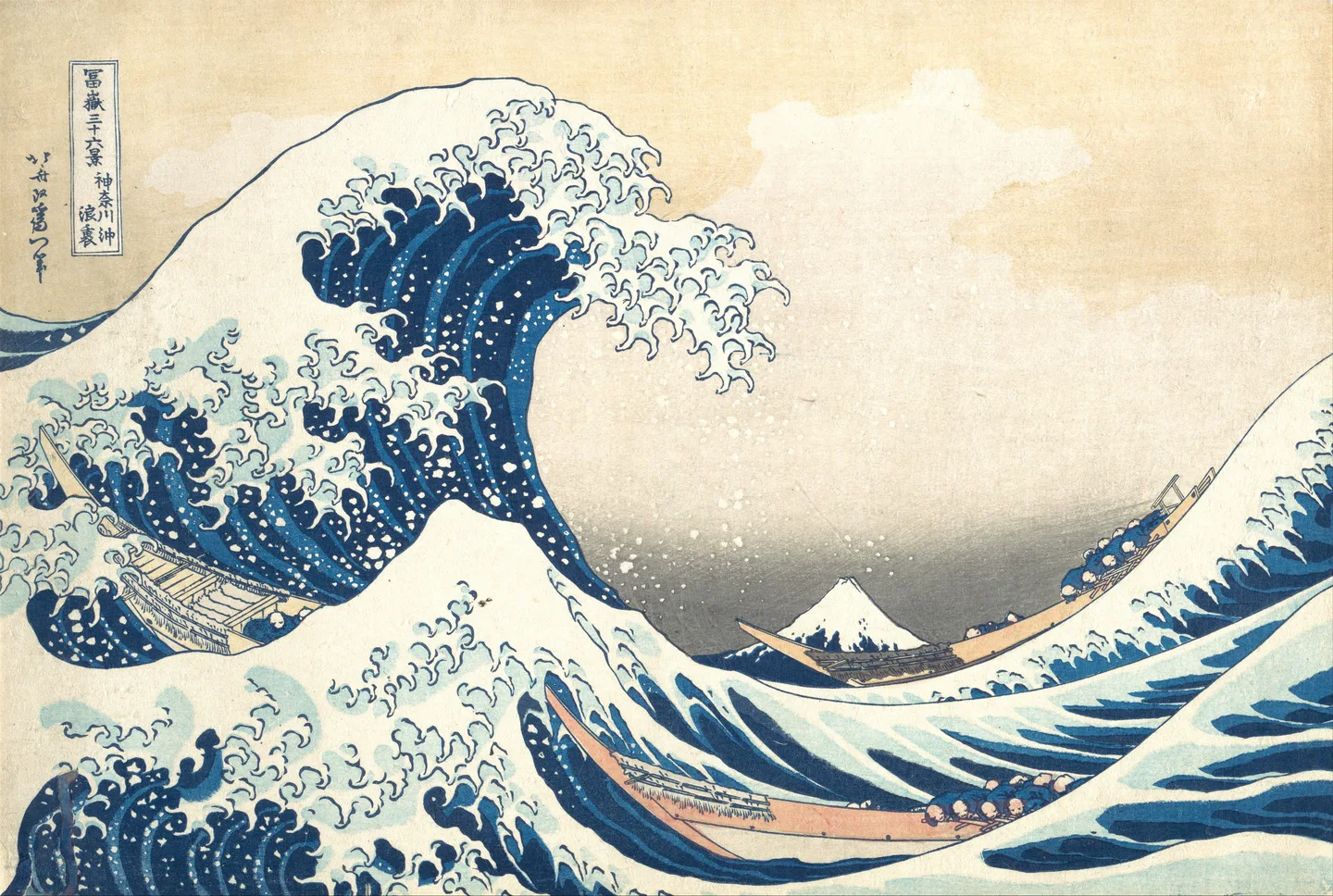
- Imagine two collection records for Under the Wave off Kanagawa. The contours of the boats and Fuji line up, yet patches of color differ. Both records identify nineteenth-century sheets from the Thirty-six Views of Mount Fuji series. Explain how the production method and original commercial setting account for their being two objects carrying one composition.
- A gilded reliquary associated with Sainte-Foy has a seated, enthroned form. Why would an explanation of pilgrimage contribute more to an account of its function than a list of its precious materials alone? Identify what a reliquary holds and how that relates to its audience.
Three short responses that require evidence
- In the Bayeux embroidery, the story of the events surrounding the Norman conquest unfolds across a long strip of linen. Explain one way the format helps communicate sequence. Identify one kind of detail a viewer could use to follow a particular episode.
- Compare how the Palette of King Narmer and the Standard of Ur organize figures within registers. Identify one way scale communicates rank and one difference in the objects' material or construction. A general claim that both show power needs an example from each.
- In El Anatsui's Old Man's Cloth, small pieces of metal are joined into a broad, flexible hanging. Explain how the material's previous use and the way the finished object can be installed support distinct interpretations. Which claim would a photograph of the full installation support particularly well? What would you need to examine at closer range?
Suggested responses for questions one through three
- Use the close view for the masonry claim. Courses of granite blocks meet without mortar. UNESCO’s Great Zimbabwe site record gives the setting of the Great Enclosure. The aerial view would give stronger evidence for the curved enclosure or the relation of passages and walls. The step-by-step guide to reading a painting uses the same test of scale and evidence with a different medium. A response that cites the site's scale as evidence of dry-stone construction confuses what the slides can establish. A vast wall could have been made by several techniques.
- A publisher could sell multiple woodblock impressions of Hokusai's design. Compare the contours in The Met’s Hokusai impression. Carved blocks transfer the same outlines to successive sheets. Variation in inking, wear, and the condition of the sheet can change how one impression appears today. Matching contours alone need not imply the two museums photographed the same physical sheet. Compare the evidence with the formats in the Japanese painting and print guide.
- A reliquary houses relics. In a pilgrimage context, believers traveled to venerate the saint's relics. The treasury at Conques identifies the enthroned figure as the Majesty of Sainte-Foy. The figure and its precious exterior give a bodily and visible presence to what is housed within. An answer that names gold but omits the relation between a pilgrim, the saint, and the relic leaves the object's function unexplained.
Suggested responses for questions four through six
- The long field permits events to unfold laterally. Viewers can move from one action to another, following recurring figures, ships, horses, inscriptions, and changes of setting. Explore the embroidery in the Bayeux Museum’s panorama. The object traditionally called a tapestry was embroidered in wool on linen. A precise medium provides a second avenue of analysis, including how colored stitches can define silhouettes and lettering.
- Relative size makes rank visible. Narmer towers over subordinate figures on the palette. The larger ruler on the Standard of Ur's banquet side stands out among his attendants and guests, even while seated. The Global Egyptian Museum’s record for the Narmer Palette describes the carved stone. The British Museum’s Standard of Ur record identifies the inlaid materials, including shell and lapis lazuli. These particulars support a comparison that goes beyond a shared subject.
- Discarded aluminum liquor-bottle closures become units of a new surface. Copper wire joins the pieces, allowing the finished work to hang in folds that can change when the installation changes. A wide view can support a comparison with a draped textile. For the process behind these works, Art21’s film in El Anatsui’s studio follows the assembly of bottle caps into blocks. A detail shows the joins and may reveal lettering from the material’s former commercial life. Naming recycling alone leaves unexplained how the maker's procedure alters what the material can do.
For a second attempt, cover your responses and take one detail from each pair of slides into the time and memory exercises. Return to the two objects afterward. Which detail can you place in the correct work, and which still needs a collection label to recover its name?
Frequently asked questions
Can I convert my score here into an AP exam score?
These six original prompts have no validated relationship to an exam score. The art history identification questions provide more practice retrieving names and terms. Use your responses to diagnose whether identification, visible evidence, or explanation needs more practice. For current exam structure and assessment information, consult the College Board's current course materials.
What makes a comparison more complete?
Choose a single dimension both works can support. Identify a relevant detail in each object and explain what the connection reveals. If you compare status, link a particular change of scale or position to authority in both works, then explain any meaningful difference in how their audiences encountered it.
Mark the missing part of your answer
Give each response three checks: identification, visual evidence, and explanation. Revise the first missing part. For a comparison, underline one detail from each object before writing the sentence that connects them.